


|
|
|
|
|
|
|
| Brogaard Dolan | profile | guestbook | all galleries | recent | tree view | thumbnails |
Asbestos in your house isn't taken into consideration dangerous if it's left uninterrupted, intact, and in great problem. The wellness risk comes when asbestos-containing materials are harmed or wear away, releasing fine fibers you can inhale. As long as you avoid interrupting it and monitor for signs of malfunction, you usually do not face substantial exposure danger. However, it is necessary to know where asbestos is found and just how to identify indication; more information regarding this can help you remain secure.
Asbestos is a team of naturally occurring coarse minerals recognized for their warmth resistance, toughness, and insulating homes. You'll locate that asbestos history go back hundreds of years, yet it ended up being particularly popular throughout the 20th century in construction, shipbuilding, and manufacturing. Its fibers are microscopic and can be woven or included in items for resilience and fireproofing. In time, clinical proof linked asbestos direct exposure to severe health risks, motivating the growth of regulatory requirements. Today, policies purely manage its use, handling, and elimination to lessen direct exposure. You'll notice that modern-day building ordinance and safety methods mirror these standards. Comprehending what asbestos is, along with its historic context and current laws, assists notify threat assessment and conformity with safety laws.
So, how dangerous is asbestos when it's merely left alone? If asbestos-containing materials are intact and uninterrupted, study shows they position minimal instant risk, as fibers aren't launched right into the air. However, you should not ignore the capacity for future exposure. Evidence-based practices advise:
If you don't disrupt asbestos, the threat of fiber launch is quite reduced. https://westcombeparkasbestosremoval.co.uk/services/refurbishment-demolition-survey.html Still, even minor damages-- from aging or incidental call-- can alter that risk account, so ongoing watchfulness is important for long-lasting safety and security.
You might be stunned to find out that asbestos can be present in materials such as insulation, floor ceramic tiles, roofing, and distinctive paints, particularly in homes constructed before the 1980s. Areas like attic rooms, basements, and around heating systems are often thought about higher risk for covert asbestos. Recognizing these products properly is necessary, as asbestos fibers aren't noticeable without specialized testing.
Building products manufactured before the 1980s commonly consist of asbestos fibers, making it vital to recognize which parts in older homes might pose a threat. If you're residing in or restoring an older building, you ought to know that asbestos was widely made use of because of its fireproof and protecting homes. Several of the most usual asbestos-containing materials include:
Recognizing these products assists you examine potential direct exposure threats in your house.
When evaluating your home's safety, it's vital to zero in on particular locations where asbestos-containing materials are most likely to be found. In homes developed before the 1980s, attic room insulation is among the key suspects, especially if the insulation is loose-fill and classified as vermiculite. Scientific research studies show that much of the vermiculite made use of in The United States and Canada was infected with asbestos. In addition, you ought to pay very close attention to flooring ceramic tiles, especially 9-inch or 12-inch ranges, as these regularly integrated asbestos for toughness and fire resistance. Other risky areas include pipeline insulation, wallboard, and ceiling ceramic tiles. Methodically examining these areas can help you assess possible direct exposure threats. It's essential to identify where asbestos could be existing prior to thinking about any remodelling or repair.
Going into the construction products located in older homes frequently reveals concealed asbestos risks that aren't right away evident. You require to be mindful that asbestos may be present in even more places than just insulation. Several surprise hotspots exist in common building materials, specifically in homes built before the 1980s. To determine asbestos-containing materials, professional evaluation tools such as polarized light microscopy or transmission electron microscopy are commonly required. Key materials to evaluate consist of:
Never ever interrupt thought materials without correct analysis and screening.
You'll locate that asbestos fibers come to be unsafe when materials are disturbed, releasing tiny bits into the air. Once air-borne, these fibers can be breathed in and reach deep right into your lungs. Scientific studies reveal that breathing markedly increases the risk of significant health problems, including asbestosis, lung cancer, and mesothelioma cancer.
Under specific conditions, asbestos fibers come to be airborne and dangerous to health. If you're taking care of asbestos-containing materials, it's crucial to know which actions can trigger fiber launch. The architectural stability of asbestos products is an essential variable-- when jeopardized, threat enhances noticeably.
Right here are 3 key triggers that can cause asbestos fibers to end up being air-borne:
Comprehending these triggers helps you reduce unnecessary asbestos direct exposure in your atmosphere.
When asbestos fibers become airborne as a result of disruption or damage, the main health danger develops from breathing. You're most at danger when the fibers, which are tiny, become put on hold airborne and are small adequate to bypass your body's natural respiratory defenses. Bit size is vital-- fibers less than 5 micrometers in size and longer than 5 micrometers can permeate deep right into your lungs. Airborne tracking is necessary in environments with prospective asbestos exposure; it permits professionals to identify and quantify fiber focus in the air. Without such monitoring, you can't accurately examine the threat. If asbestos stays undisturbed, fibers generally do not come to be air-borne, markedly reducing the likelihood of inhalation and associated health dangers.
Although asbestos-containing products may appear safe when left undamaged, their prospective to cause damage escalates once fibers are launched and breathed in. When you disrupt these products, tiny fibers can end up being air-borne and enter your lungs. Over time, exposure development leads to an accumulation of fibers in lung cells, raising the risk of major wellness conditions. Long-term surveillance is crucial due to the fact that signs and symptoms of asbestos-related conditions usually take decades to show up. Here's just how the acceleration of health and wellness dangers generally happens:
This emphasizes the necessity of watchfulness with asbestos direct exposure.
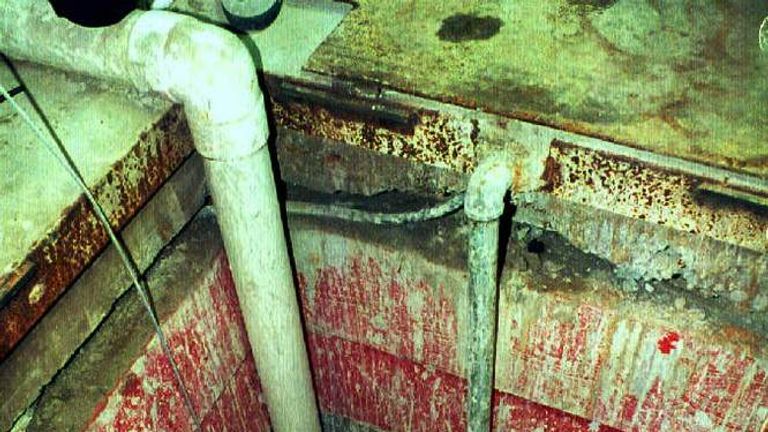
Finding indications of degrading asbestos involves closely taking a look at the material for visible modifications such as cracks, tearing, or fine-grained residue. You'll wish to look for fiber discoloration, which can show chemical modifications or age-related destruction of the asbestos-containing material. Surface molting is another technological sign-- when the outer layers begin to peel or damage away, the asbestos matrix might be shedding its stability. Check for areas where the product appears softer, more fragile, or where tiny fragments are gathering nearby. These indicators recommend that asbestos fibers can be more easily launched if the damage continues. Routine aesthetic examinations are essential since once you discover these modifications, you'll know the asbestos is no much longer in a stable, uninterrupted state and may require professional evaluation.
You need to watch for noticeable material damage, such as splits, fraying, or falling apart, as these can suggest disturbed asbestos. An additional key indication is the existence of uncommon or consistent airborne dirt near suspect materials. Both problems raise the threat of asbestos fibers being released right into the setting.
Regularly, noticeable signs of product deterioration can suggest that asbestos-containing materials have actually been disrupted and may be releasing harmful fibers. If you're assessing prospective asbestos threats, it's important to recognize the early indication that the honesty of the product has actually been jeopardized. Evidence-based standards highlight the following visible indicators:

You need to quickly seek advice from professionals if you observe any one of these wear and tear indicators.
While visible damage supplies a preliminary sign of jeopardized asbestos-containing materials, the visibility of air-borne dust is a much more instant sign that harmful asbestos fibers might be flowing in your atmosphere. You could discover fine dirt resolving on surfaces near asbestos products, specifically following disruption or repair job. Since asbestos fibers are microscopic, you can not see them without specialized devices, however boosted dust degrees need to trigger issue. Airborne surveillance is important for identifying asbestos fibers in the air, as visual inspection alone isn't enough for assessing breathing risks. If you observe dirt in locations having asbestos, start dust reductions measures-- such as wetting surface areas and reducing activity-- while waiting on expert analysis. https://westcombeparkasbestosremoval.co.uk/services/garage-shed-roof-removal.html Never attempt to tidy or disrupt the location yourself, as this can increase the danger of exposure.
Regardless of widespread recognition of the threats related to asbestos, several persistent misconceptions proceed to affect public perception concerning its safety. These health misconceptions can weaken asbestos awareness and concession home safety and security. It's critical to distinguish truth from fiction to much better examine direct exposure threats. Think about these typical misunderstandings:
Comprehending the realities is crucial for effective home security.
If you find products in your home that you think may consist of asbestos, it is very important not to disrupt them and to analyze the situation methodically. Prevent touching, drilling, or moving the product, as disruption can release hazardous fibers. Focus on personal security-- limitation accessibility to the area, particularly for children and pets. In instances where the material is damaged or debris is existing, consider a momentary emergency emptying to minimize exposure threat. Do not try initial screening yourself; inappropriate handling increases danger. Instead, produce a basic control configuration by shutting doors and securing vents to lower fiber spread. Document the area and problem of the believed asbestos for future reference. These prompt steps are crucial for taking care of prospective exposure till more action can be determined.
After you have actually protected the location and minimized the threat of disturbance, establishing when to involve an asbestos expert comes to be the next action. It is critical to call a licensed professional when you're not sure concerning the material's composition or its problem. A qualified expert can execute an asbestos evaluation, giving conclusive identification and take the chance of assessment. You must look for specialist assistance in these circumstances:
Evidence reveals that inappropriate handling increases air-borne fiber release, raising wellness risks. Professionals stick to stringent methods, guaranteeing accurate detection and risk-free management. Don't attempt elimination or tasting yourself-- specialized abilities and tools are called for.
While older homes usually consist of materials with asbestos, guidelines do not require its automatic elimination if the material stays in excellent problem and undisturbed. As a home owner or property owner, you're obligated to follow federal and state disclosure regulations, which usually need you to inform purchasers and, in some territories, tenants about the presence of asbestos-containing materials. Lessee rights may include the right to learn about potential dangers and, in some cases, to request removal if the asbestos is harmed or postures a risk. Nevertheless, existing laws usually concentrate on guaranteeing that asbestos remains undisturbed and in good repair work. Disruption, such as during restorations, triggers more stringent regulations and may require licensed abatement. Always examine regional needs, as they can vary noticeably by area.
Regularly making certain that asbestos-containing products remain intact is essential for lessening risk to your home. If you presume asbestos exists, do not disturb it-- damaged or degrading materials can release hazardous fibers. Regular assessment and professional air testing are essential for early detection of air-borne asbestos, providing objective data on indoor air quality. Furthermore, aggressive family education is important so every person recognizes the importance of not touching or damaging questionable materials. Right here are 3 key actions to aid secure your household:
Yes, your pet dogs can be impacted by asbestos direct exposure in the home. Pet exposure to asbestos fibers can have similar health and wellness impacts as in humans, consisting of respiratory system concerns and an increased threat of cancer like mesothelioma cancer. Considering that your pet dogs are often better to the ground, where dust clears up, they're at higher risk. Securing pet health needs without delay attending to any kind of asbestos-containing products and stopping pets from accessing contaminated locations until correct remediation occurs.
If you're expecting asbestos to announce itself through olfactory discovery or aesthetic assessment, you're in for a disappointment-- it's not exactly waving flags or emitting an aroma. Asbestos fibers are microscopic, so you won't see or smell them. Technically, asbestos-containing materials can resemble any kind of average structure item. Scientific studies validate that neither your nose neither your eyes are reputable detectors; only laboratory analysis can definitively determine asbestos visibility.
Yes, you can discover DIY kits for asbestos testing, yet they're not as trusted as specialist laboratory alternatives. With do it yourself sets, you'll accumulate an example and send it to a certified lab for evaluation. However, inappropriate example collection can release fibers, raising wellness dangers. Evidence suggests properly collected examples yield even more precise outcomes and reduce direct exposure. If you use a do it yourself kit, always adhere to safety standards and use suitable personal protective tools.
Did you recognize asbestos fibers can continue in buildings for decades or perhaps centuries? Asbestos perseverance is remarkable due to the fact that the mineral's fibers do not degrade quickly-- research studies show fiber degradation is marginal gradually. As long as asbestos-containing materials stay undamaged, the threat largely exists if they're disturbed and fibers come to be air-borne. https://westcombeparkasbestosremoval.co.uk/services/artex-removal.html Even after 40 years, asbestos can still be harmful, so it's essential you don't assume time alone reduces the risk.
Yes, asbestos contamination can impact your home's resale value. You'll need to give an asbestos disclosure, which may discourage possible customers or lower deals due to health and wellness issues and prepared for removal prices. Market understanding plays a substantial duty-- homes with well-known asbestos problems are usually deemed greater threat. Evidence recommends that purchasers often tend to discuss strongly or also leave when asbestos is revealed, influencing your home's beauty and final price.