


|
|
|
|
|
|
|
| 4dphotos | profile | all galleries >> Galleries >> Krakow 2010 | tree view | thumbnails | slideshow |
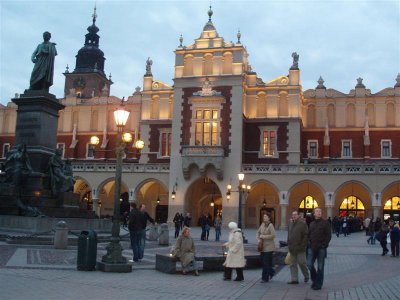 Rynek - The Old Market Square - the Cloth Hall |
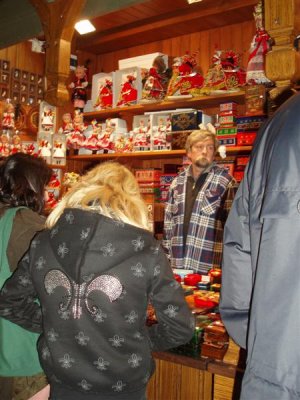 Sad toyseller in the Cloth Hall |
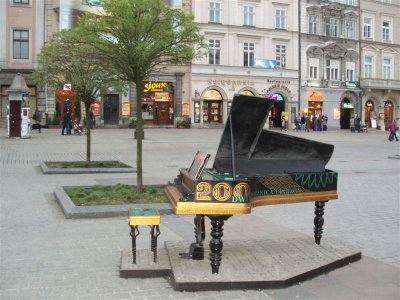 Rynek - commemoration of Chopin's birth in Poland in 1810 |
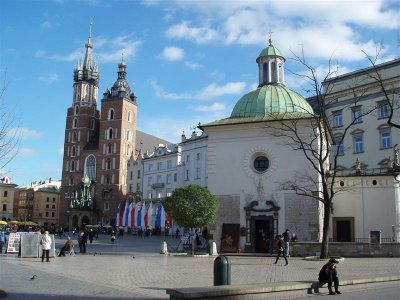 St Mary's Basilica and St Adalbert's in foreground |
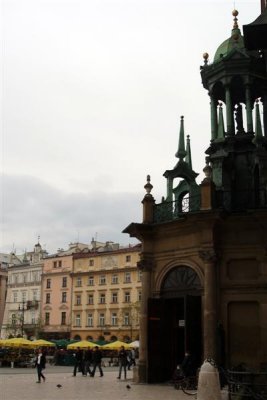 St Mary's Basilica entrance porch |
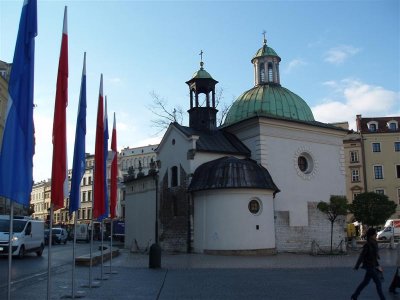 St Adalbert's the oldest church in Krakov, 11th century |
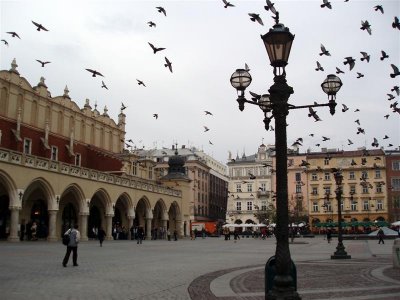 Rynek - pigeons like every square in Europe |
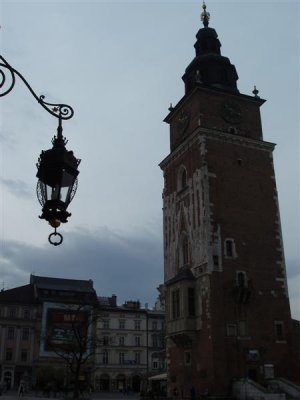 Town Hall in old square |
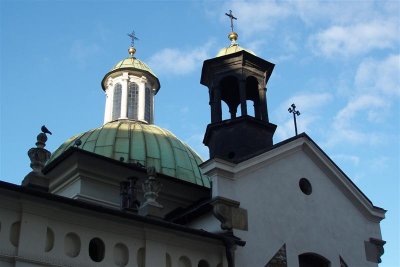 Rynek - rooftops |
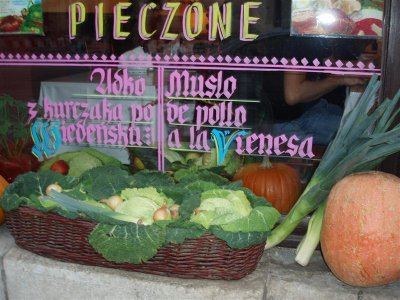 Local produce outside veggie restaurant |
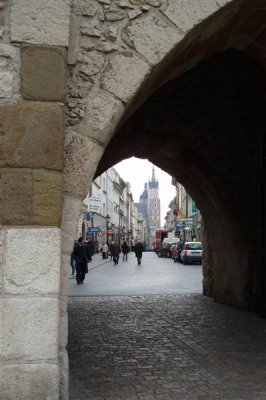 Florianska gate entrance to city |
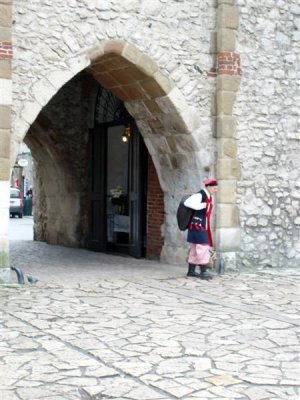 Local musician going to work |
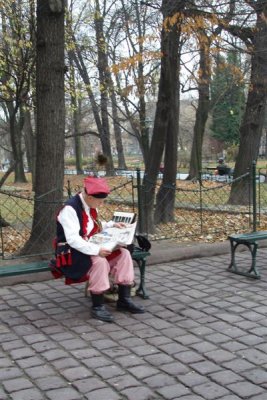 Local musician - at work |
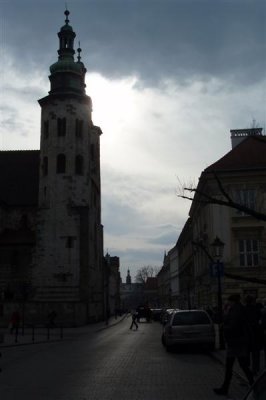 Stormy day |
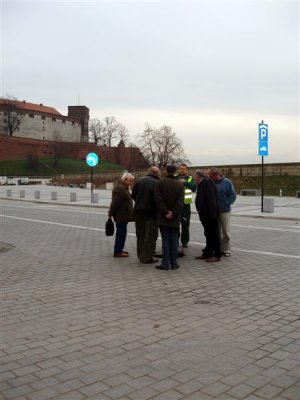 Polish men inspecting manhole |
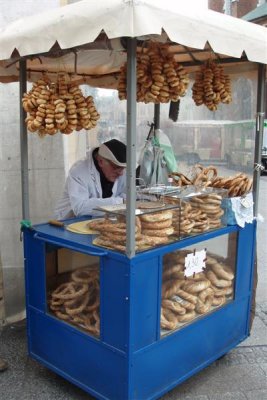 Bagel seller - welcoming the day |
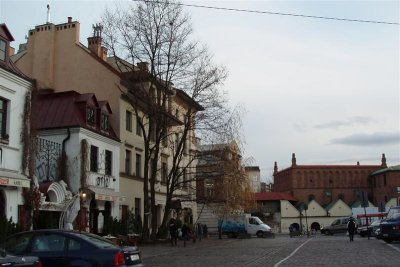 Kazimierz - Jewish Quarter, The Plac Wolnica, town square founded by King Kazimierz in 1335. |
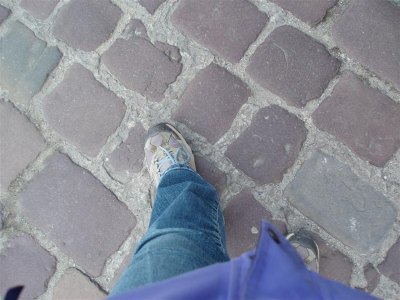 Walking on the ancient cobbles laid at end 18th century when ruling Austrians resettlement of Jews here. |
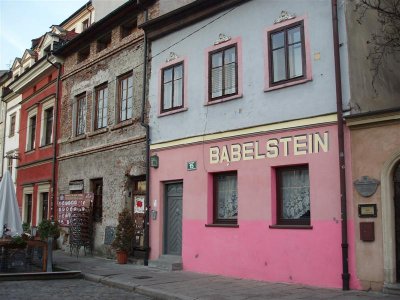 Dawno Temu Na Kazimierzu restaurant disguised as a row of shop fronts |
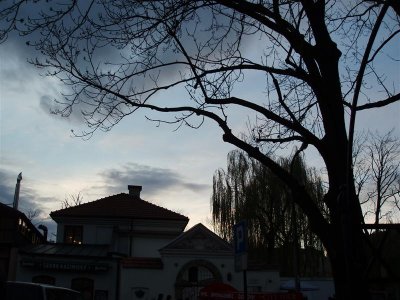 Kazimierz - Dusk over the synagogue |
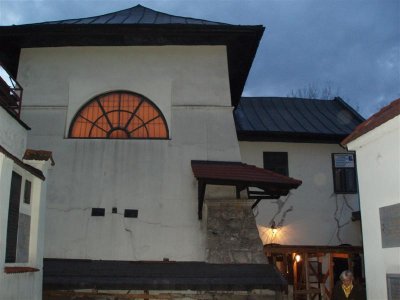 Kazimierz- The Synagogue |
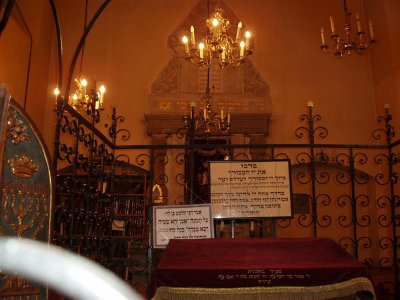 Kazimierz -Inside the synagogue - a rare priviledge |
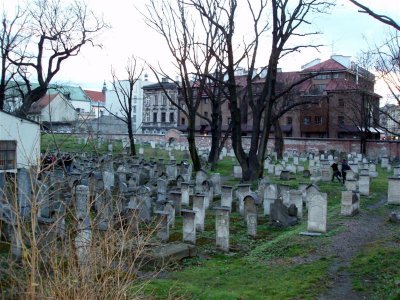 KazimieThe Jewish cemetary, graves were built in a dip and then covered with soil to prevent desecration |
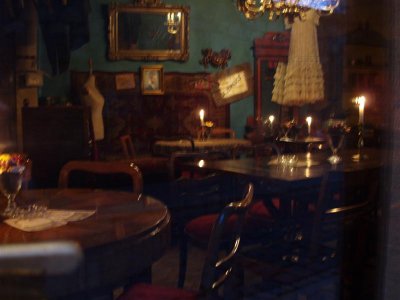 Kazimierz -A typical atmospheric and tempting bar |
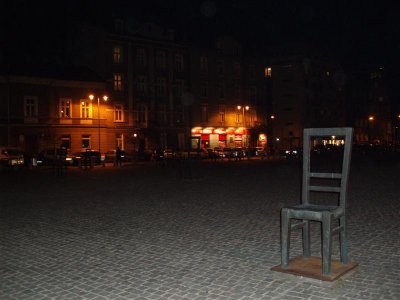 Podgorze, Jewish Ghetto - 43 empty chairs to represent the shooting of 800 Jews in this square |
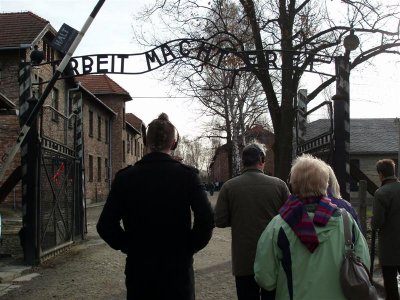 Auschwitz - 'Arbeit Macht Frei' - 'Work makes you free' - we all walked in just as newcomers would have done in 1942 |
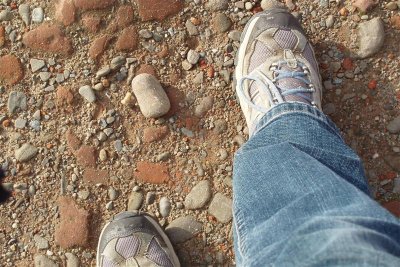 Auschwitz - walking where so many feet have trodden |
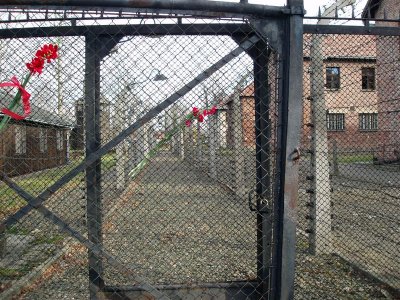 Auschwitz - so much barbed wire and electrification to keep demoralised and weak people in |
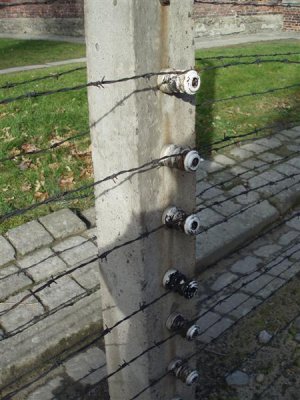 Auschwitz |
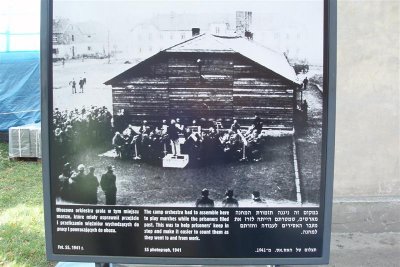 Auschwitz - The Camp Orchestra who played German patriotic music as inmates marched to work |
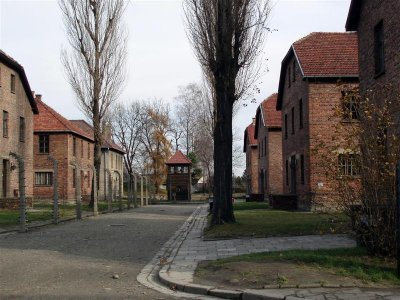 Auschwitz - the buildings originally belonged to the Polish Army. Prisoners made to stand here for up to20 hours for roll call. |
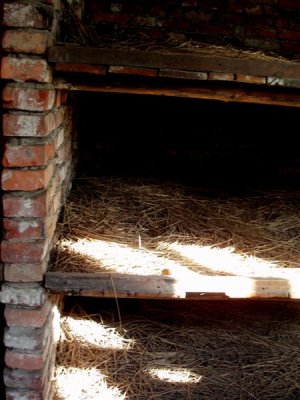 Auschwitz - three tiered bunk beds where prisoners were stacked on boards overlaid with straw. |
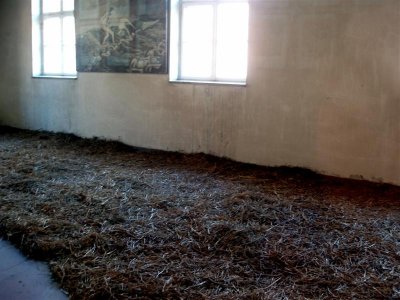 Auschwitz - room where prisoners slept on straw |
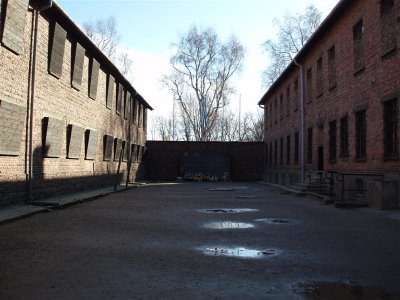 Auschwitz, block 11, the death block on the right and the death wall |
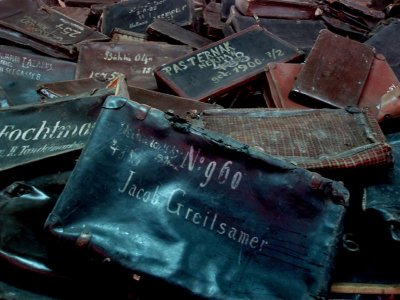 Auschwitz - suitcases stacked high - each bearing name and address in case they were lost en route |
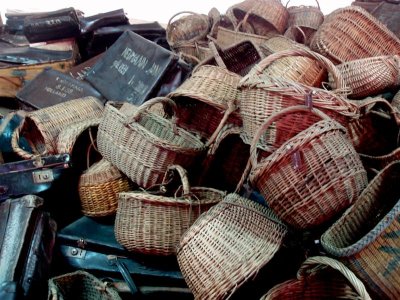 Auschwitz - ladies arrived with baskets full of food or possessions |
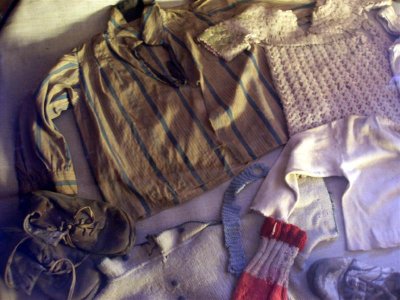 Auschwitz - a small pyjama top, a pair of small shoes, and hand knitted dress |
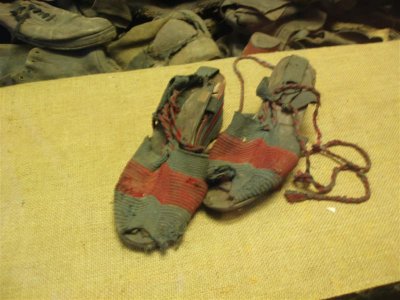 Auschwitz - imagine the lady wearing these shoes, probably her best ones |
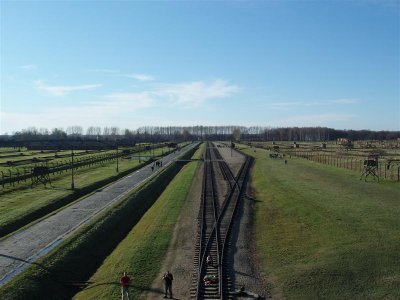 Birkenhau - the track that led directly into the camp, and for many straight to the gas chambers |
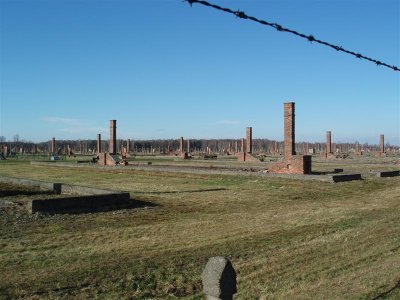 Birkenhau - 175 hectares, 300 huts, with 100 000 prisoners held there in 1944 |
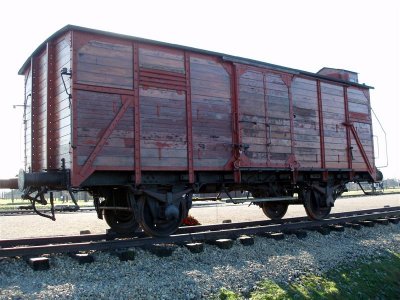 Birkenhau - a cattle truck for transporting people for up to 11 days with no food, water or sanitation. |
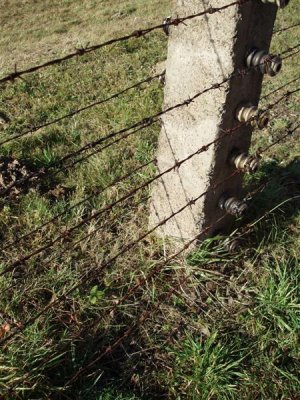 Birkenhau - grass grows here now - but prisoners returning say there was none in the 40's when it was eaten by prisoners |
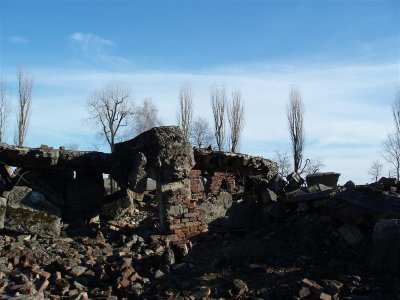 Birkenhau - gas chamber blown up in 1945 as Russians arrived |
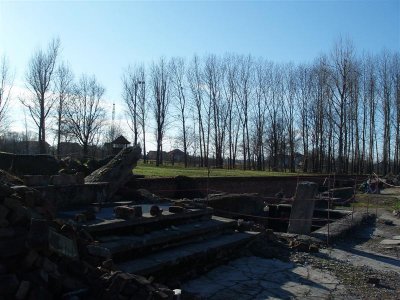 Birkenhau - name means birch trees |
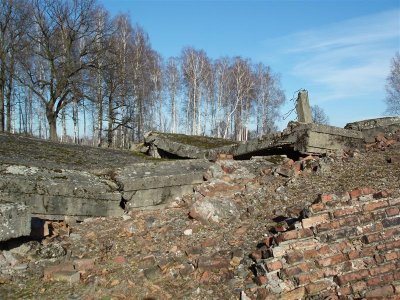 Birkenhau - remains of gas chamber blown up as Russians arrived |
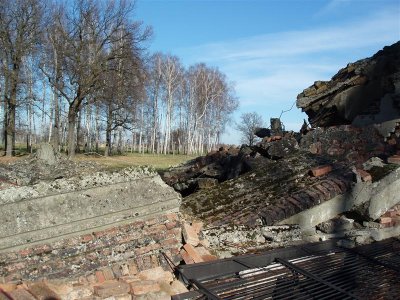 Birkenhau - remains of gas chamber blown up as Russians arrived |
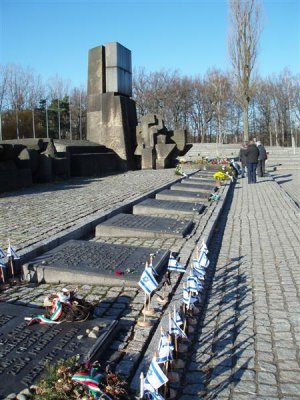 Birkenhau - Holocaust memorial, tablets in all languages |
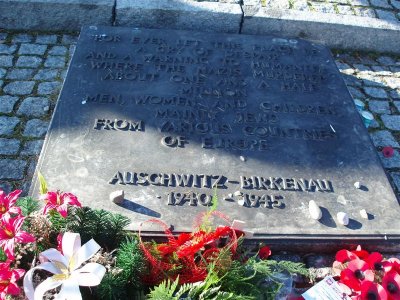 Birkenhau - 'Forever let this place be a cry of despair and a warning to humanity' |
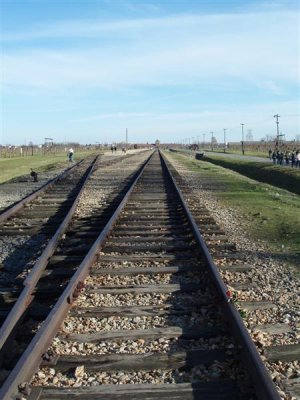 Birkenhau - rail track leading out of camp, past the watchtower. We had the choice to walk out |
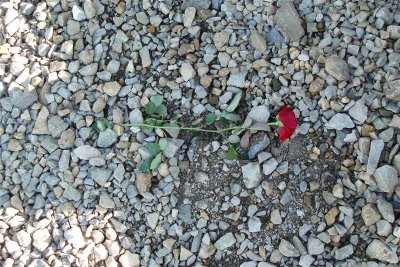 Birkenhau - someone's personal memorial |
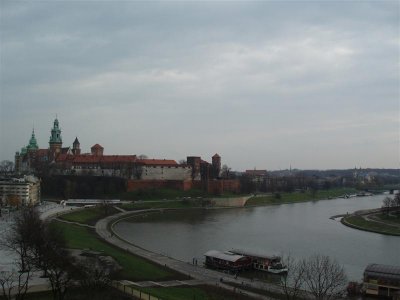 Wawel Castle on bend in River Vistula |
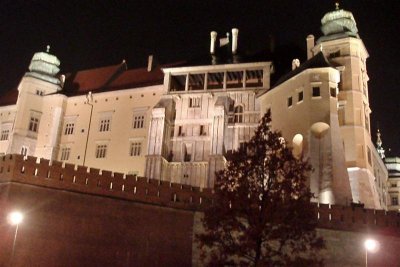 Wawel Castle at night |
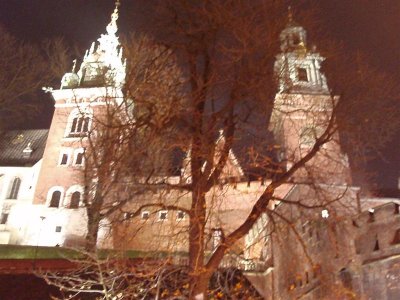 Wawel Castle at night |
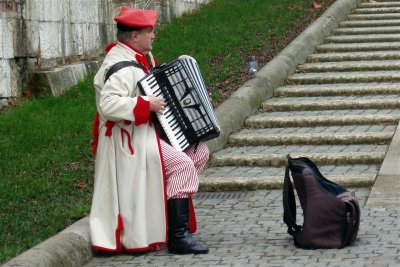 Local musician |
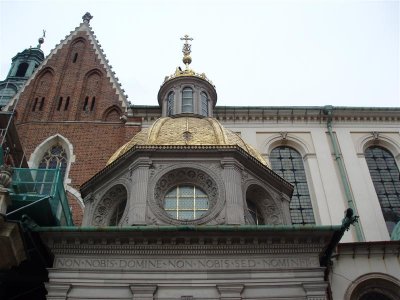 Wawel Castle |
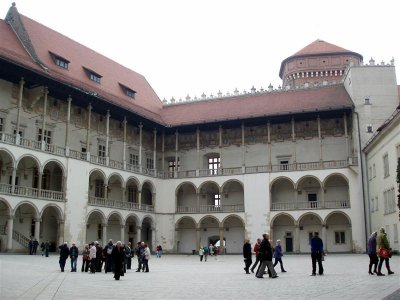 Wawel Castle courtyard designed by Venetian architect |
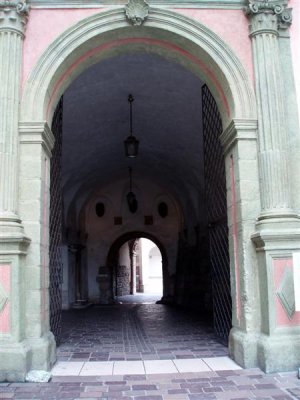 Wawel Castle - |
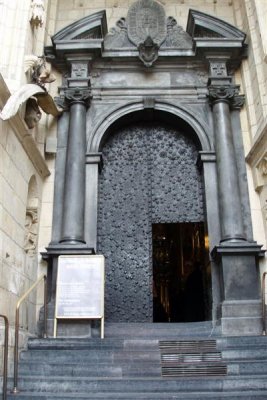 Wawel castle - entrance to cathedral and royal tombs |
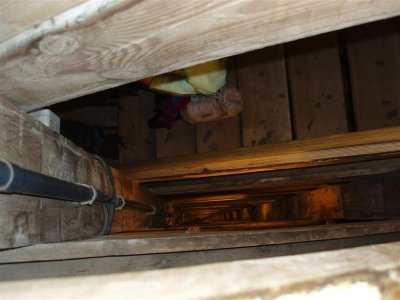 Salt Mines - descent by stairs to level 2, 400 feet below surface |
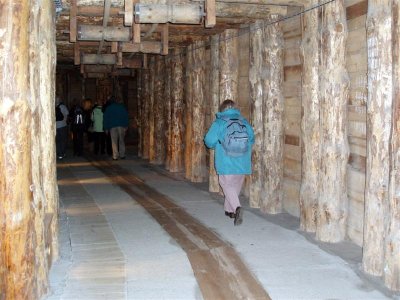 Salt Mine - Diana marching onwards |
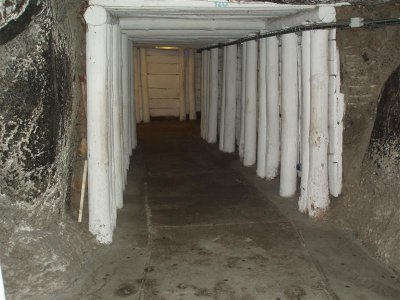 Salt Mines |
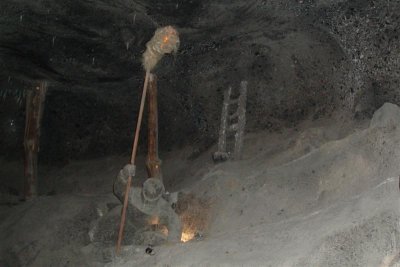 Salt Mine - models cut from salt - detecting methane with lit torches |
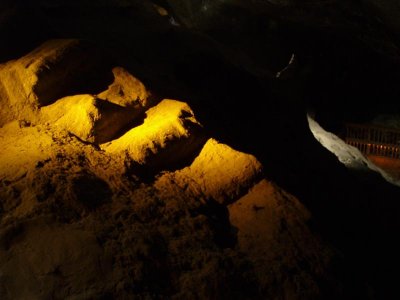 Salt Mines - steps cut in salt used by miners |
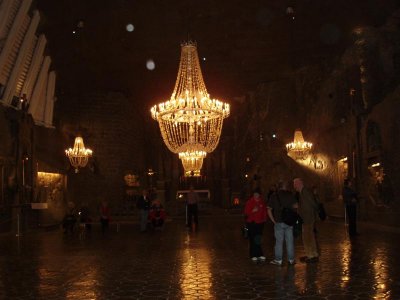 Salt mine - cathedral excavated by hand by 3 miners over 70 years. Concerts are held here |
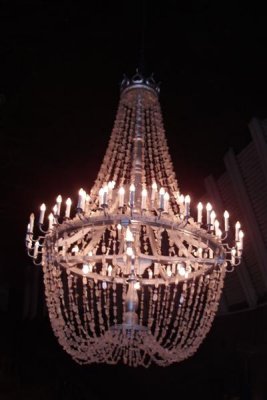 Salt mine - cathedral chandelier made of salt |
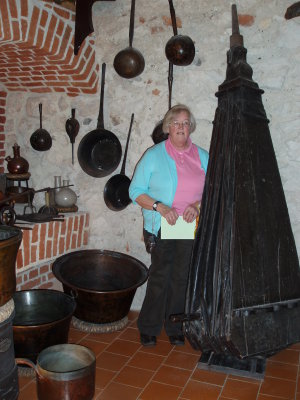 Pharmacy museum - Diana with big bellows |
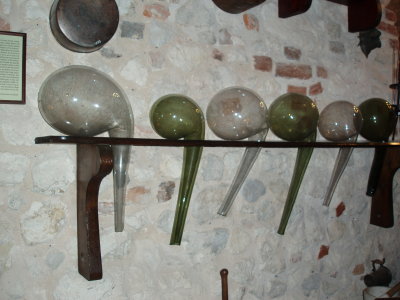 Pharmacy museum - glass retorts |
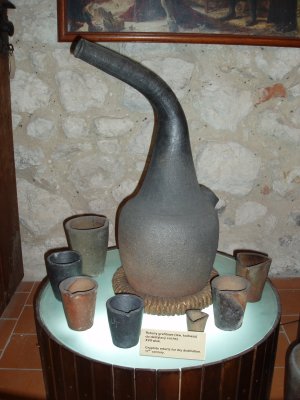 Pharmacy museum - 17th century retort for dry distillation |
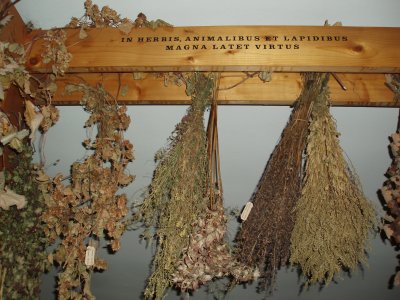 Pharmacy museum - animals, plants, rocks offer all great cures |
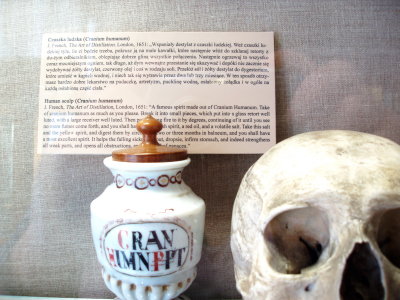 Pharmacy museum - ancient remedy using human skull and brain |
| comment | share |