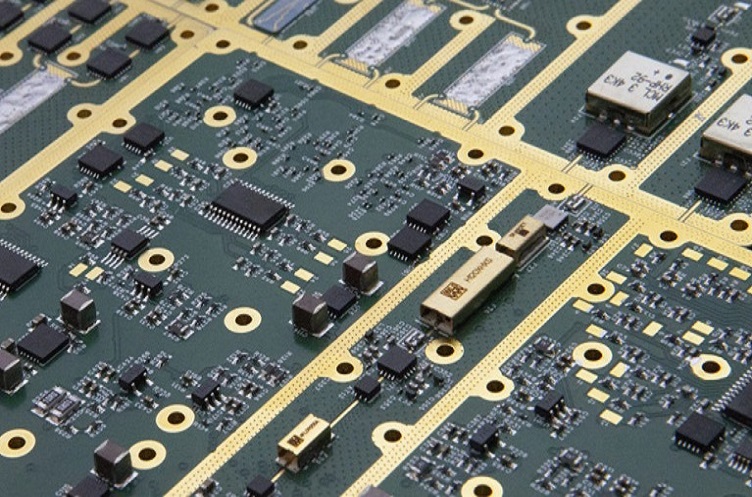
The manufacturing of Printed Circuit Boards (PCBs) is a keystone of the electronics industry, important for the production of basically all digital tools. However, this procedure is not without its ecological effects. In recent years, there has actually been a growing awareness of the demand to attend to these ecological factors to consider to guarantee lasting production methods. http://hitechcircuits.com/ write-up, explores the numerous ecological facets of PCB production.
1. Hazardous Chemicals and Waste Monitoring
Among the primary environmental concerns in PCB manufacturing is using hazardous chemicals. According to Centuries Circuits Limited, compounds utilized in PCB production can vary from benign to extremely unsafe. The disposal of these chemicals positions a substantial difficulty. Traditional methods often lead to chemical-filled wastewater and hazardous waste build-up in garbage dumps, as highlighted by PCB Design & Evaluation. The Environmental Protection Agency (EPA) supplies guidelines on air pollution avoidance in the PCB production market, emphasizing the relevance of decreasing waste and safely throwing away dangerous materials.
2. Power Intake and Emissions
PCB production is an energy-intensive procedure. As kept in mind by Tempo, standard manufacturing methods include high-emission processes utilizing materials like copper, epoxy material, and glass fiber. This energy consumption not just contributes to greater operational prices but likewise brings about a significant carbon footprint. Embracing energy-efficient methods and renewable resource sources can dramatically mitigate these ecological influences.
3. Water Usage and Preservation
The PCB manufacturing procedure calls for substantial water usage, primarily for cleansing and rinsing the boards. This can result in water deficiency concerns and the contamination of water bodies if wastewater is not treated appropriately. Business are progressively adopting water conservation steps and executing innovative wastewater therapy modern technologies to resolve this issue.
4. Material Effectiveness and Recycling
Waste generation is one more considerable issue. Nova Design, Inc. points out that waste includes off-cuts of substratum material and malfunctioning boards. Advertising product performance and recycling can help in reducing this waste. For example, reusing copper from PCB manufacturing can significantly reduce the ecological influence and resource deficiency.
5. Lasting and Eco-Friendly Materials
The change in the direction of environmentally friendly materials in PCB manufacturing is obtaining energy. As Circuits-Central talks about, using sustainable electronic parts and parts can have a positive ecological impact. Naturally degradable substrates and lead-free solders are instances of such products that are ending up being more prevalent in the market.
6. Regulatory Conformity and Security
Conformity with ecological regulations is vital in PCB production. GlobalSpec highlights that direct discharge of hazardous chemicals into drain systems is purely managed. Suppliers must adhere to these laws to make certain environmental security and stay clear of legal effects.
7. Employee Health and Safety
The handling of hazardous products in PCB production demands strict precaution. Rush PCB UK emphasizes the importance of safety factors to consider, such as washing hands before consuming or smoking cigarettes and getting rid of contaminated clothing, to protect worker health and wellness.
8. PCB Repair Service and Reuse
An environmentally friendly method to PCBs extends beyond manufacturing. Huntron News and Info reviews the advantages of PCB fixing over replacement. Fixing PCBs can lower ecological influence contrasted to producing brand-new ones and protect against PCBs from winding up in garbage dumps.
9. Cutting-edge Production Techniques
Improvements in manufacturing techniques are paving the way for more eco-friendly PCB production. Strategies such as additive manufacturing and digital manufacture can reduce waste and lower the use of harmful products.
10. Consumer Recognition and Demand
Finally, consumer understanding and demand for environmentally friendly products are driving change in the PCB production market. As consumers come to be a lot more ecologically aware, suppliers are encouraged to adopt greener methods.
Finally, the environmental considerations in PCB manufacturing are complex, varying from waste management and power usage to using sustainable materials and innovative manufacturing methods. Stabilizing technical development with ecological duty is crucial for the lasting future of this essential sector. As the sector progresses, it is vital that manufacturers, regulatory authorities, and customers work collaboratively to mitigate environmental impacts and promote sustainable practices.